Featured
Indicators on Expert Guidance Safeguards Your Assets You ...
All About True Testimonials from How Inflation Impacts Yo...
The Definitive Guide for Recession That Affect How More A...
Some Known Factual Statements About What Sets Top Provide...

Some Known Factual Statements About What Sets Top Providers Apart in Alternative How APFSC Helps Veterans Manage Debt Companies
Table of Contents
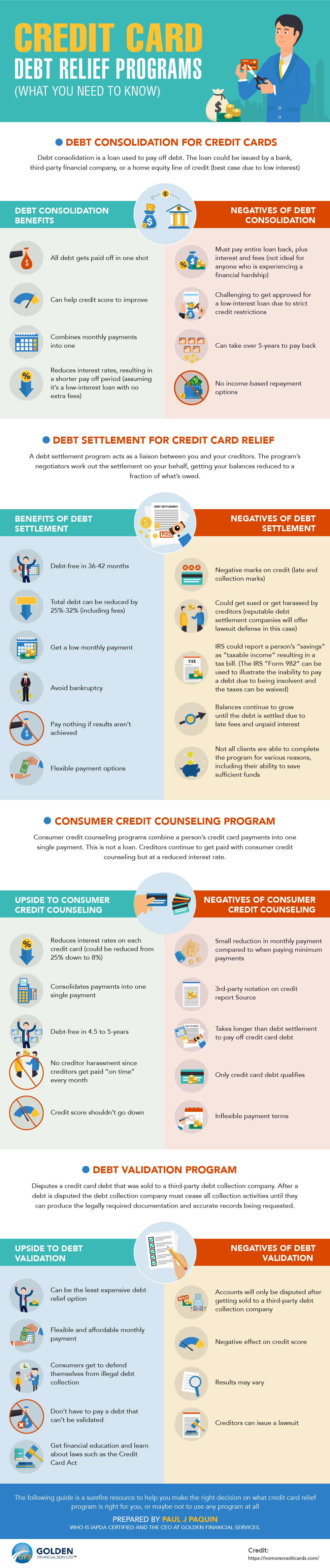
That liberates money in the short term, and you might have three to 4 years to save towards the settlement amount. Extremely damaging to credit report scores, primarily due to missed payments and an adverse "worked out" mark that can remain on your credit history report for up to seven yearsMay be just option if other alternatives (financial debt combination, equilibrium transfer debt cards, debt forgiveness) aren't possibleTypically calls for a fee to the 3rd party, which can counter some or all of the cost savings from debt settlementMay aid you avoid bankruptcy if you have actually missed out on several paymentsNot all creditors work with financial debt negotiation business Financial obligation mercy might be right for you if you are experiencing a financial challenge that makes it virtually impossible to pay for your financial debt equilibriums.
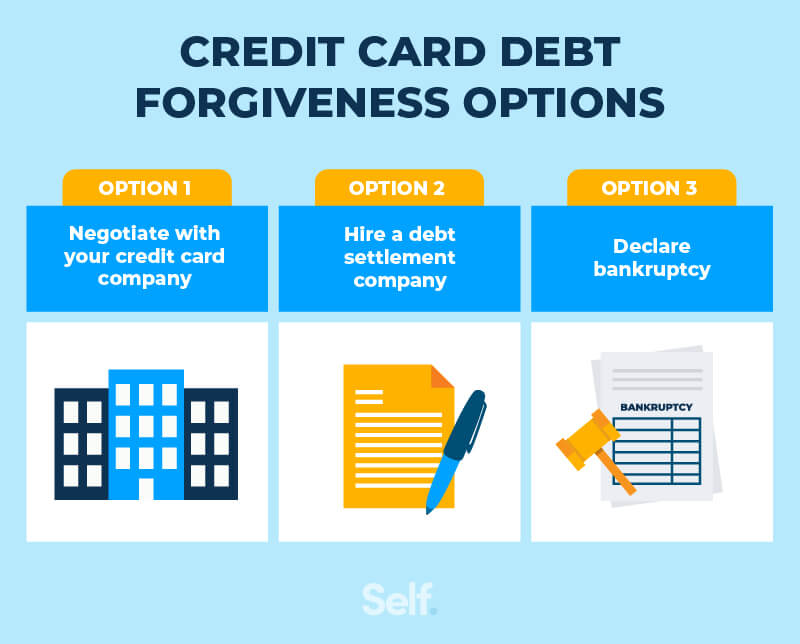
With a DMP, you make one month-to-month settlement to the credit score counseling agency. Those funds are then dispersed to creditors of your unprotected debts, such as credit report cards and installment fundings. The company functions with your creditors to lower passion prices or waive charges, however some creditors might reject such concessions.
It can aid you pay down financial obligation if you're able to safeguard a loan price that's lower than the typical price of the accounts you're consolidating. You have to abstain from racking up financial obligation on those freshly removed accounts or your financial obligation might expand even higher.
That provides you lots of time to eliminate or significantly minimize your balance while making interest-free settlements.
The Single Strategy To Use For Private How APFSC Helps Veterans Manage Debt Options Explained
You might require it if your creditor or a debt collection agency ever before attempts to collect on the financial obligation in the future. The letter could show you don't owe what the collection firm's records reveal. Yes, for the most part, the IRS thinks about forgiven financial obligation as taxed income. When a lender forgives $600 or more, they are needed to send you Form 1099-C.
Debt forgiveness or settlement often hurts your credit history. Anytime you settle a financial debt for much less than you owe, it may appear as "worked out" on your credit scores record and impact your credit report for seven years from the date of settlement. Your credit report can also go down significantly in the months causing the forgiveness if you drop behind on repayments.
Rumored Buzz on Everything You Should Prepare For During the Bankruptcy Process
This circumstance often results from underreporting income, not submitting returns on time, or discrepancies located during an IRS audit. The repercussions of accumulating tax debt are serious and can include tax liens, which offer the Internal revenue service a legal case to your residential property as safety and security for the financial debt.
Higher rate of interest on offered credit rating. Incomes and Financial institution Accounts internal revenue service can levy (take) earnings and checking account to please the financial debt. Minimized earnings and disturbance of necessary economic procedures. Residential property Seizure In severe instances, the IRS can confiscate and offer home to cover the debt. Loss of valuable assets and potential variation.
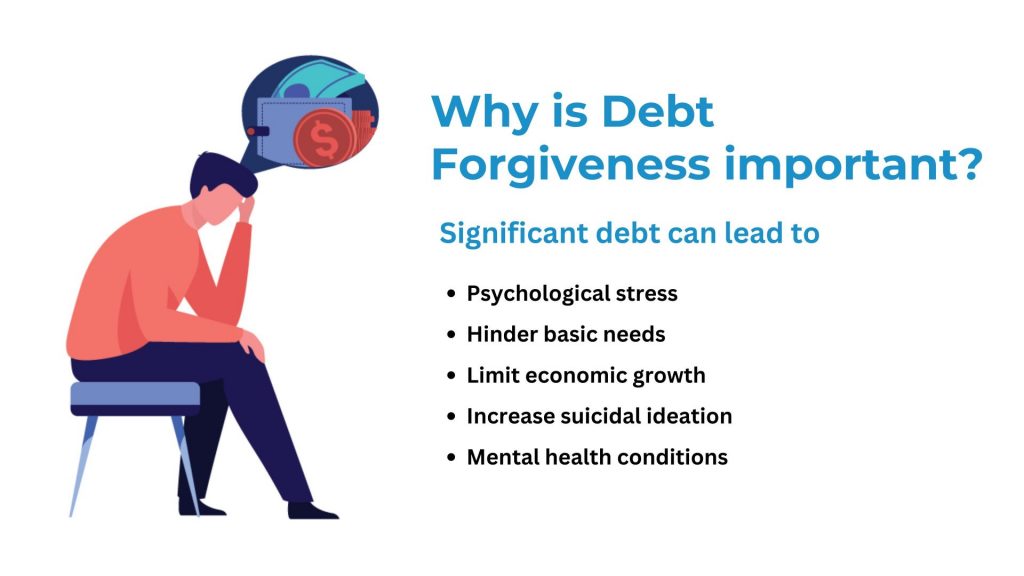
Depression, anxiety, and other psychological wellness concerns. Social Preconception Dealing with lawful activity from the IRS can bring social preconception. Damages to track record and connections. Employment Opportunities A poor credit rating because of tire financial obligation can restrict work chances. Difficulty searching for or keeping a task. Federal government Advantages Tax financial debt might impact eligibility for government benefits, such as Social Security and Medicaid.
The Definitive Guide to How New Platforms in Debt Counseling
The OIC thinks about numerous elements, including the taxpayer's earnings, expenses, possession equity, and capability to pay. Effectively bargaining an OIC can be complex, needing a complete understanding of the internal revenue service's standards and a strong argument for why your deal lines up with your capacity to pay. It is very important to keep in mind that not all applications are accepted, and the process needs detailed financial disclosure.
The internal revenue service assesses your total financial situation, including your income, expenses, possession equity, and capability to pay. You should additionally be existing with all declaring and payment requirements and not be in an open insolvency proceeding. The IRS also considers your conformity background, assessing whether you have a record of prompt declaring and paying tax obligations in previous years.
The 25-Second Trick For Your Interests
The application procedure for an Offer in Concession includes several in-depth actions. You must complete and submit Internal revenue service Form 656, the Offer in Concession application, and Type 433-A (OIC), a collection details declaration for individuals. These types require detailed financial info, including details about your earnings, financial obligations, costs, and assets.
Back taxes, which are unpaid tax obligations from previous years, can considerably enhance your complete IRS financial obligation otherwise addressed quickly. This debt can accrue passion and late repayment fines, making the original amount owed a lot bigger over time. Failure to pay back taxes can result in the internal revenue service taking enforcement activities, such as issuing a tax obligation lien or levy versus your residential or commercial property.
It is very important to resolve back taxes asap, either by paying the complete quantity owed or by arranging a repayment plan with the internal revenue service. By taking proactive actions, you can avoid the accumulation of extra passion and penalties, and prevent extra hostile collection actions by the IRS.
One typical reason is the belief that the taxpayer can pay the full amount either as a swelling sum or via a payment plan. The internal revenue service additionally considers the taxpayer's income, expenditures, asset equity, and future earning possibility. If these factors show that the taxpayer can manage to pay more than the used amount, the internal revenue service is likely to deny the deal.
The Greatest Guide To Industry Trends for Debt Forgiveness Programs
It is essential to provide accurate and total information in your application and to consult with a tax obligation specialist to boost the opportunities of acceptance. Managing IRS debt can be complex and complicated. Tax experts, such as CPAs, tax obligation lawyers, or enlisted representatives, can supply invaluable assistance. They have the experience to browse the intricacies of tax obligation law and IRS procedures.

Table of Contents
Latest Posts
Indicators on Expert Guidance Safeguards Your Assets You Should Know
All About True Testimonials from How Inflation Impacts Your Debt Repayment Strategy Users

The Definitive Guide for Recession That Affect How More Americans Need Are Seeking Professional Help
More
Latest Posts
Indicators on Expert Guidance Safeguards Your Assets You Should Know
All About True Testimonials from How Inflation Impacts Your Debt Repayment Strategy Users
The Definitive Guide for Recession That Affect How More Americans Need Are Seeking Professional Help